Diet and Nutrition
Key Takeaways
- A diet rich in fruits, vegetables, and healthy fats is essential for youthful skin.
- Beauty supplements can support skin health from within.
- Avoiding processed foods and sugars is key to maintaining a youthful appearance.
- Hydration is crucial in the fight against aging.
When it comes to maintaining a youthful appearance and preventing signs of aging, diet and nutrition play an essential role. The foods we consume and the supplements we integrate into our daily regime can significantly impact our skin health. In this article, weâll explore various food groups and supplements that contribute to a radiant, youthful look, as well as some key dietary habits you might consider adopting.
Understanding the Role of Diet in Skin Health
Your skin is a reflection of your overall health, and what you eat directly influences its condition. Here are some significant dietary components that promote anti-aging:
- Antioxidants: Help fight free radicals that can damage skin cells.
- Vitamins and Minerals: Vital for skin repair and regeneration.
- Omega-3 Fatty Acids: Help maintain skin's lipid barrier.
- Water: Keeps the skin hydrated and plump.
Essential Nutrients for Youthful Skin
| Nutrient | Source | Benefits |
|---|---|---|
| Vitamin C | Citrus fruits, strawberries, bell peppers | Promotes collagen production and brightens skin. |
| Vitamin E | Nuts, seeds, green leafy vegetables | Protects skin from oxidative damage. |
| Collagen | Bone broth, fish, chicken | Improves skin elasticity and hydration. |
| Beta-Carotene | Carrots, sweet potatoes, spinach | Contributes to skin health and reduces sun damage. |
| Omega-3 Fatty Acids | Fish, flaxseeds, walnuts | Reduces inflammation and keeps skin hydrated. |
Foods to Incorporate Into Your Diet
Here are some of the best foods you should consider including in your daily meals:
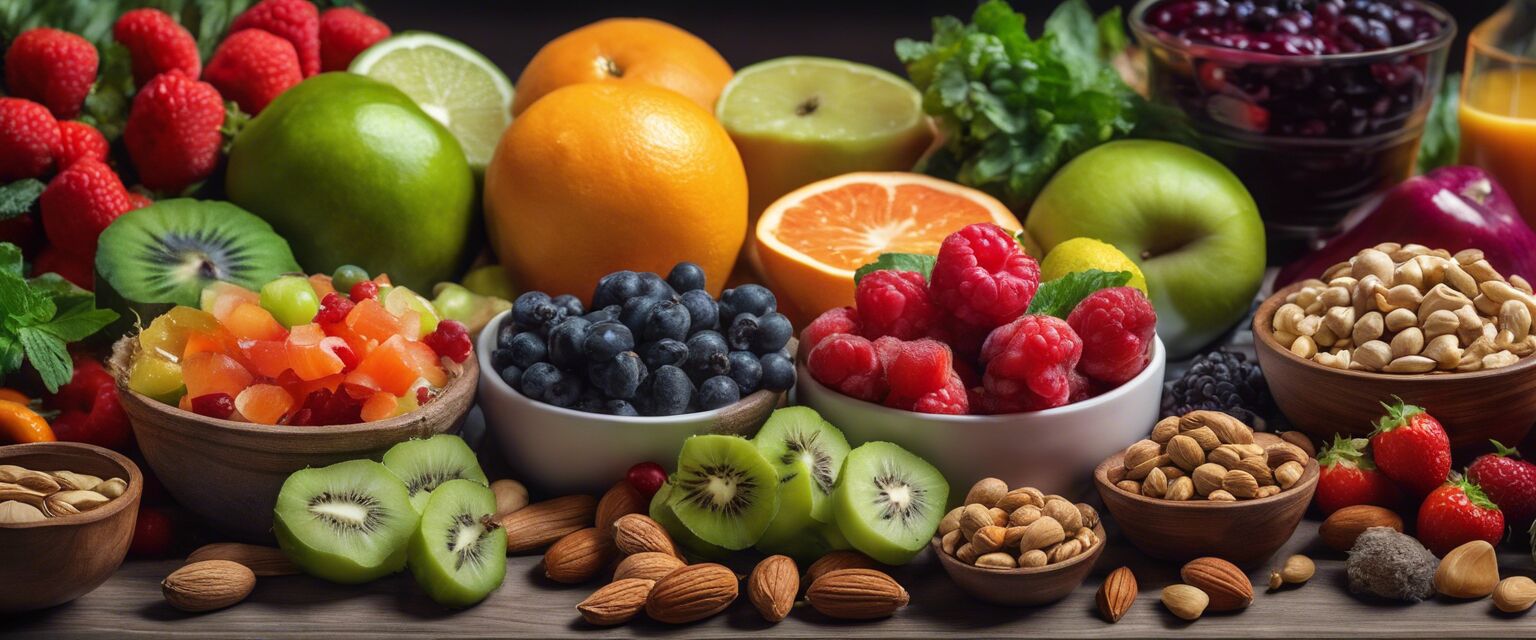
- Green Leafy Vegetables: Kale, spinach, and collard greens are packed with vitamins and minerals that nourish the skin.
- Fruits: Berries, apples, and citrus fruits are rich in antioxidants that promote healthier skin.
- Nuts and Seeds: Almonds, walnuts, and sunflower seeds provide healthy fats and minerals.
- Fatty Fish: Salmon, mackerel, and sardines are excellent sources of Omega-3 fatty acids.
- Whole Grains: Brown rice, quinoa, and oats can support skin health by providing sustained energy.
The Importance of Hydration
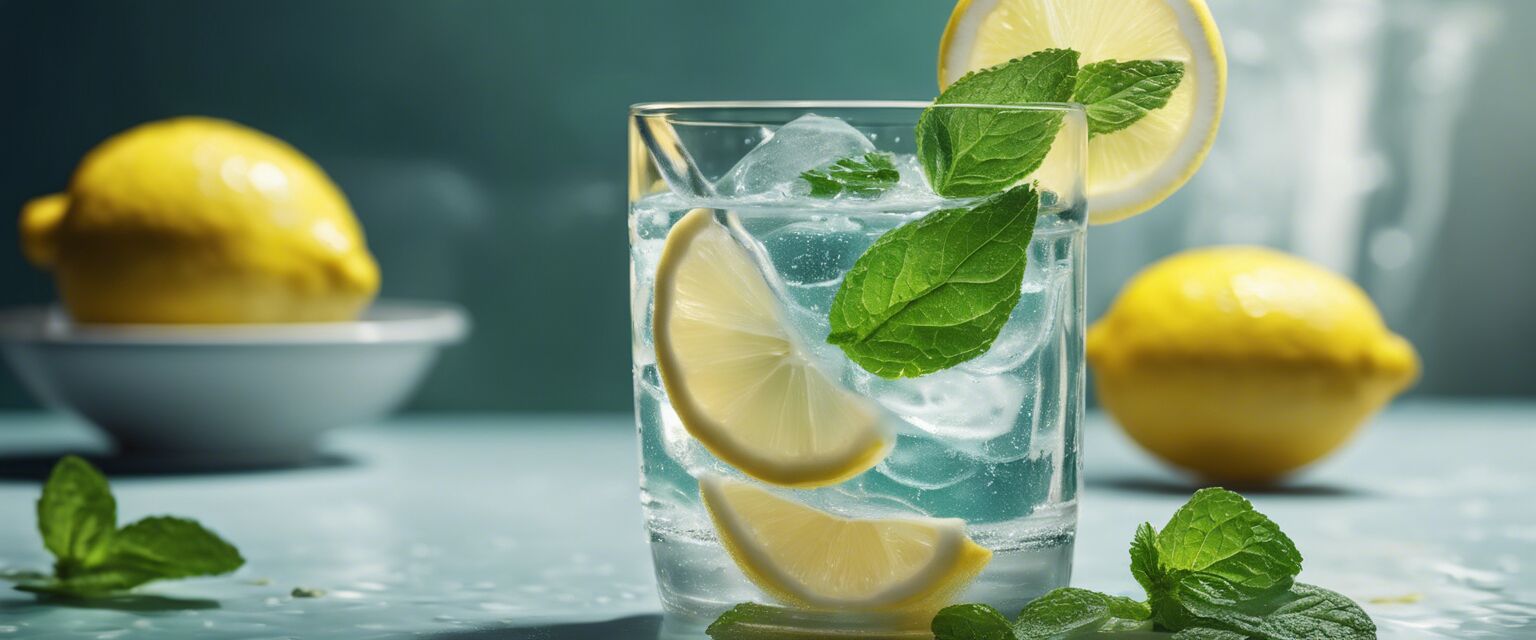
Staying hydrated is crucial in maintaining your skin's elasticity and overall appearance. Aim for at least 8 glasses of water a day, and consider adding:
- Coconut water for electrolytes.
- Herbal teas for added antioxidants.
- Infused water with fruits and herbs for flavor.
Beauty Supplements: Do They Work?
While a healthy diet is vital, beauty supplements can also play a supportive role in promoting skin health. Here are some popular supplements:
| Supplement | Key Ingredient | Potential Benefits |
|---|---|---|
| Collagen Peptides | Hydrolyzed collagen | Enhances skin elasticity and decreases wrinkles. |
| Biotin | Vitamin B7 | Supports healthy skin, hair, and nails. |
| Omega-3 Fish Oil | Fish oils | Reduces inflammation and supports skin barrier. |
| Vitamin D | Cholecalciferol | Helps in skin cell growth and repair. |
| Antioxidant Complex | Vitamins C and E, selenium | Fights oxidative stress and promotes skin health. |
Tips for Choosing Quality Supplements
Beginners Section: Tips for Choosing Supplements
- Opt for reputable brands with third-party testing.
- Look for supplements that contain natural ingredients.
- Consult with a healthcare professional before starting any supplements.
- Check reviews for consumer feedback on effectiveness.
- Be mindful of dosage recommendations to avoid over-supplementation.
Besides diet and supplements, maintaining a balanced lifestyle including regular exercise, adequate sleep, and stress management is also crucial for achieving youthful skin.
Foods to Avoid for Better Skin
To maintain a youthful appearance, itâs wise to limit certain foods:
- Processed Foods: Often high in salt, sugar, and unhealthy fats, they can lead to inflammation.
- Sugary Snacks and Beverages: Excess sugar can cause glycation, which damages collagen.
- Alcohol: Can dehydrate the skin and lead to inflammation.
- High Glycemic Index Foods: Such as white bread and pastries may increase acne and other skin issues.

Conclusion
Incorporating the right foods and supplements into your diet can significantly contribute to skin health and overall vitality. By focusing on whole, nutrient-rich foods, staying hydrated, and considering beneficial supplements, you can support your pursuit of a youthful and vibrant appearance. Remember, true beauty comes from within, and making informed dietary choices is a significant step towards embracing your natural beauty.
Pros
- Improved skin elasticity and hydration.
- Enhanced overall health and wellbeing.
- Reduced signs of aging with a balanced diet.
- Increased energy levels from whole foods.
Cons
- Some supplements may not work for everyone.
- Requires commitment to dietary changes.
- Potential for misinformation regarding products.
- Cost associated with high-quality supplements.
For more tips on anti-aging skin routines, take a look at our other sections on anti-aging creams, beauty supplements, and serums and oils.